

Structures That Withstand Fire: Why Prefabricated Concrete Systems Are Safer?
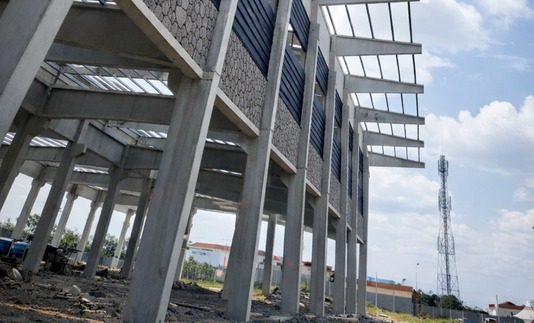
Fire safety is one of the most critical building performance criteria, especially in industrial facilities and large-scale construction projects. A fire in buildings such as factories, warehouses, logistics centers, and production facilities can seriously threaten both human life and significant investment values. Therefore, it is crucial that the structural systems used in these types of buildings demonstrate high fire resistance.
Prefabricated concrete building systems, which hold an important place among modern construction technologies, offer significant advantages in terms of fire safety. Concrete is naturally non-combustible and can withstand high temperatures. Thanks to this property, prefabricated concrete elements maintain the stability of the load-bearing system during a fire, preventing or delaying the sudden collapse of the structure.
The ability of a building to remain standing for a certain period during a fire is vital for ensuring evacuation time and allowing fire response. Prefabricated concrete building systems extend this time, providing safe structural performance.
Fire Resistance in Prefabricated Concrete Systems
Prefabricated concrete elements are designed as high fire-resistance components through engineering calculations and quality-controlled production processes. Concrete’s high-temperature resilience helps maintain the strength of the load-bearing system for an extended period during a fire.
Prestressed hollow-core slab systems and prefabricated concrete elements used by Tork Modular Building Systems are manufactured in accordance with international construction standards. These systems demonstrate high performance in terms of fire resistance and significantly enhance structural safety.
Fire resistance in prefabricated concrete systems can typically reach levels of REI 60 to REI 120. These values indicate that building elements can maintain three fundamental performance criteria for a certain period during a fire.
- R – Load-bearing capacity (Resistance)
Indicates the element’s ability to maintain its load-bearing capacity during a fire. The structural system continues to carry the building’s load for a certain period.
- E – Integrity
Refers to the element’s ability to prevent fire and smoke from spreading to other areas. This feature slows down the spread of the fire.
- I – Insulation
Ensures that the element limits heat transfer during a fire. This prevents the fire from spreading rapidly to other sections.
Factors That Enhance Fire Safety in Prefabricated Buildings
Prefabricated concrete building systems provide high fire safety not only through the properties of the materials used but also thanks to controlled production and engineering processes. The main factors that increase the safety of these systems are explained below.
Concrete’s High-Temperature Resistance
Concrete is a non-combustible construction material. It does not ignite during a fire and can maintain its load-bearing capacity for a certain period even under high temperatures. This property delays the complete collapse of the structure during a fire, allowing more time for intervention.
Maintaining Load-Bearing System Stability
Since prefabricated concrete elements are designed according to engineering calculations, they help maintain structural stability during a fire. This ensures safe evacuation for people inside the building and gives fire response teams additional time.
Factory-Produced Elements
Prefabricated building elements are manufactured in controlled factory environments, ensuring higher quality standards. Tests and quality controls conducted during production guarantee the fire resistance performance of the building elements.
Engineering Design Compliant with Fire Regulations
Prefabricated concrete building projects are designed in accordance with national and international fire regulations. Engineering calculations are carried out considering the building’s intended use, capacity, and risk factors, ensuring the required fire resistance values are met.
The Importance of Fire Safety in Industrial Buildings
Industrial facilities, production areas, and large storage centers are structures with high fire risk. Therefore, the building systems used in these projects must have high fire resistance.
Choosing fire-resistant prefabricated concrete systems offers significant advantages in terms of both employee safety and investment protection. Additionally, high fire-resistance building systems can provide important benefits during insurance processes.
Prefabricated concrete building systems offer a robust solution for fire safety due to their non-combustible material structure, high-temperature resistance, and engineering-based design features. Tork Modular Building Systems, through the quality control standards and engineering calculations applied during production, develops prefabricated solutions with high fire resistance, helping investors achieve safe, durable, and long-lasting building systems.